Research projects
Anthropogenic Soils (2023-2028)
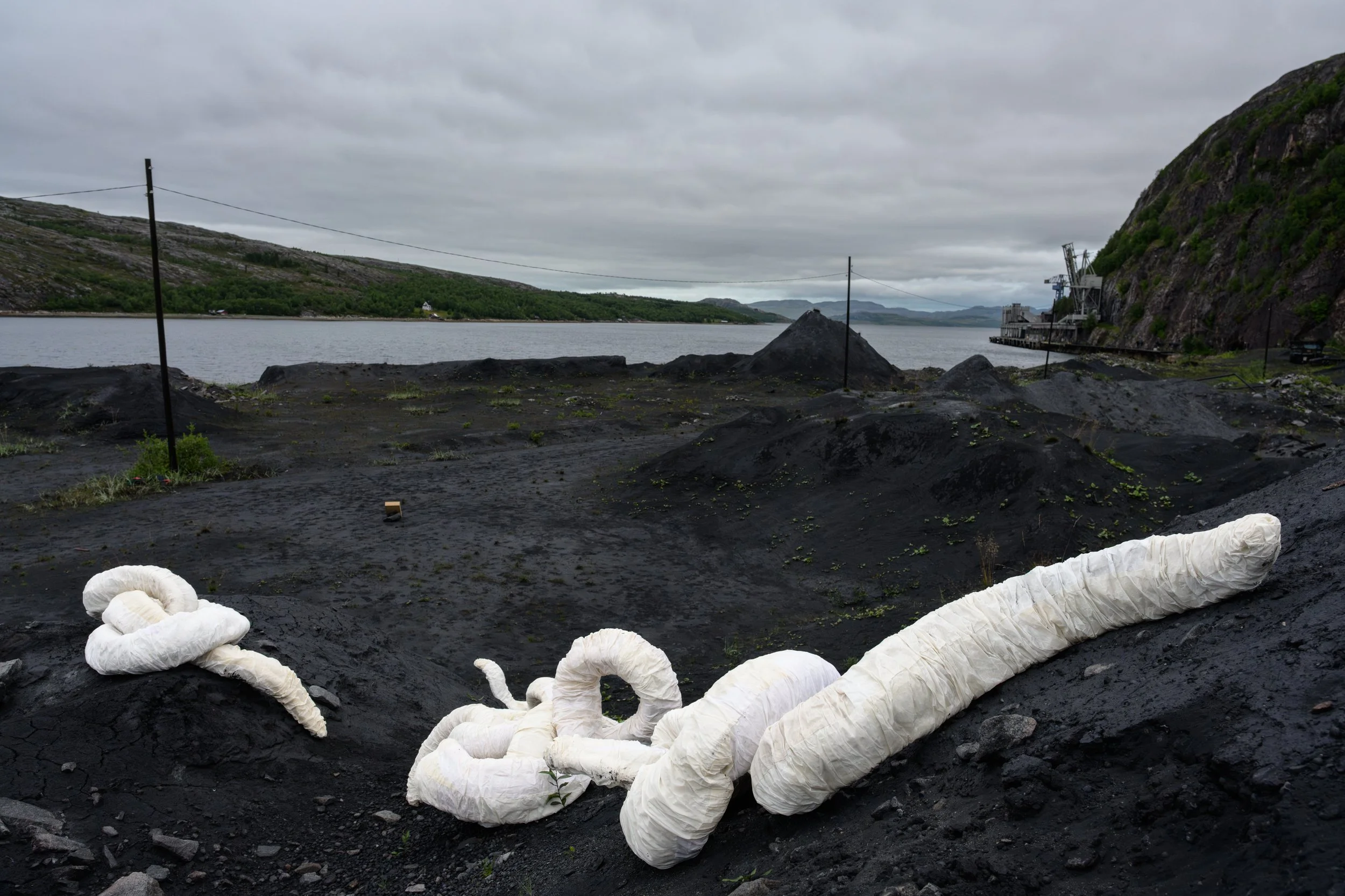
Artist in residence at Anthropogenic Soils run by the University of Oslo, with artistic research package led by NOBA
Soils are central for our understanding and responses to the contemporary environmental crisis
The survival of all terrestrial life, including human life, depends on the availability of healthy living soils. In the Anthropocene, soils are among the ecosystems critically affected by industrial and agricultural land uses. While the thin layer of planetary topsoil has formed over millennia, our soils are increasingly shaped and affected by human (anthropogenic) activity:
These include multiple forms of soil degradation and erosion through chemical contamination, radioactivity, and the loss of nutrients, but also practices of soil care. Working with soil for millennia, human communities have developed a great diversity of technologies for enhancing, cleaning up, and restoring soils for food production, and after natural and technological disasters.
A multidisciplinary project
Our multidisciplinary project “Anthropogenic Soils” studies the ways people in different parts of the world have invented, practiced, and imagined ways of recuperating soil health. We conceptualize soils not as natural resources to be exploited, but as “anthropogenic”, as lively and dynamic natural-cultural composition responsive to human recuperation and healing.
The project’s five work packages include studies of repairing contaminated, toxic, and depleted soils in different parts of the globe – from South Asia to Norway and the Arctic – as well as artistic and multimedia research into the ways in which Indigenous writers and artists offer alternative modes of relating to soils, and for building possible future of earthly survival.
Afterlives (2025-)
Artistic research project in collaboration with artist Lexie Owen
The ongoing artistic and collaborative research project Afterlives works with material cultures and biological processes related to death and dying—linking mourning and grieving practices to processes of metabolism, both in terms of human digestion and the decomposition processes that turn organic matter into soil. Through this research we are interested in reclaiming the notion of ‘necromancy,’ to understand it broadly as a descriptor of a variety of non and pre-christian practices related to the care of the dead and dying, and processes of grief and grieving. As queer and neurodivergent bodies, who find some Norwegian traditions and regulations relating to this subject restricting, we find in necromancy a way to be in touch with the diverse entities that make up our constellation of ancestors.
Beyond the scale of the personal, we believe this notion holds the potential to address new forms of mourning that the crises of the moment demand—namely ongoing geno- and ecocides. By focusing on circularity, the “ongoingness” of matter through processes of decomposition, we seek to find a mode to articulate the incomprehensible loss of mass death and mass extinction events. Our combined material and social approach provides us a pathway to work across these scales, from the personal to the social to the planetary.
For our upcoming residency Artica (2026, Svalbard) we are continuing to develop our research methodology ‘material necromancy,’ a process that takes the stance that with careful listening both materials and sites communicate their specific histories. By tracing and articulating the stories contained by object or place, we can create new formulations for the future, and deeper understanding of non-normative histories.